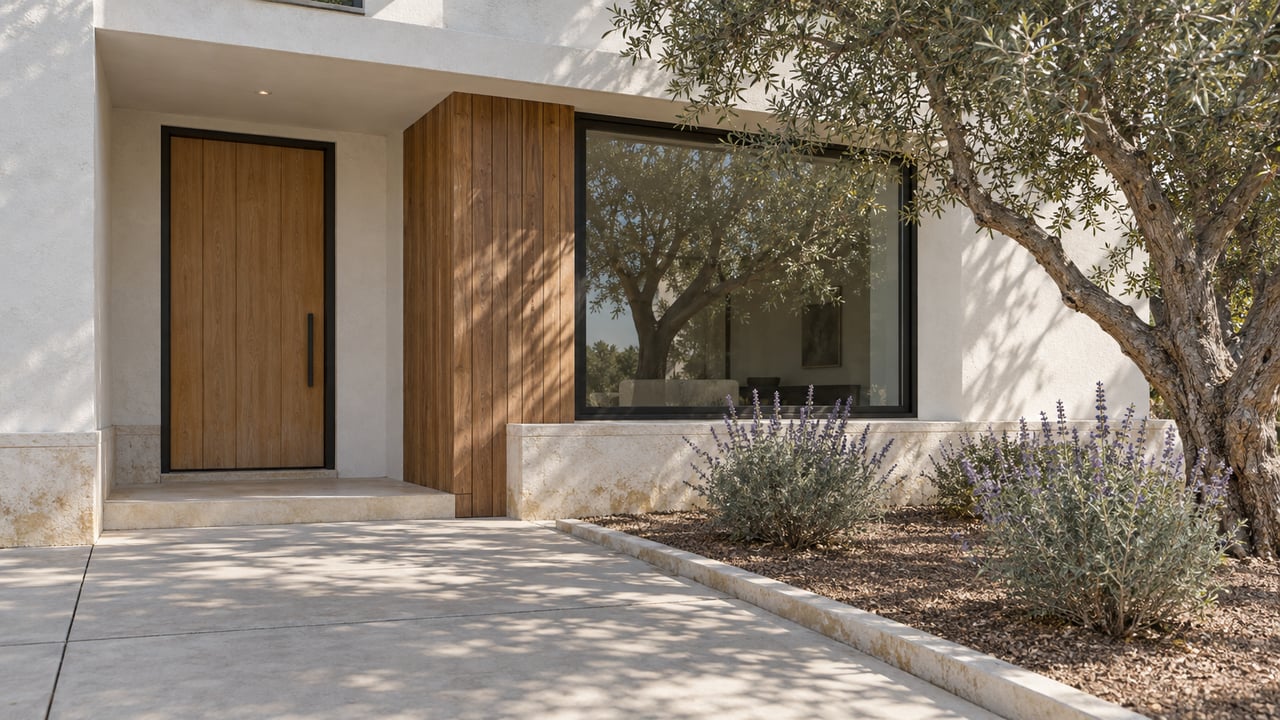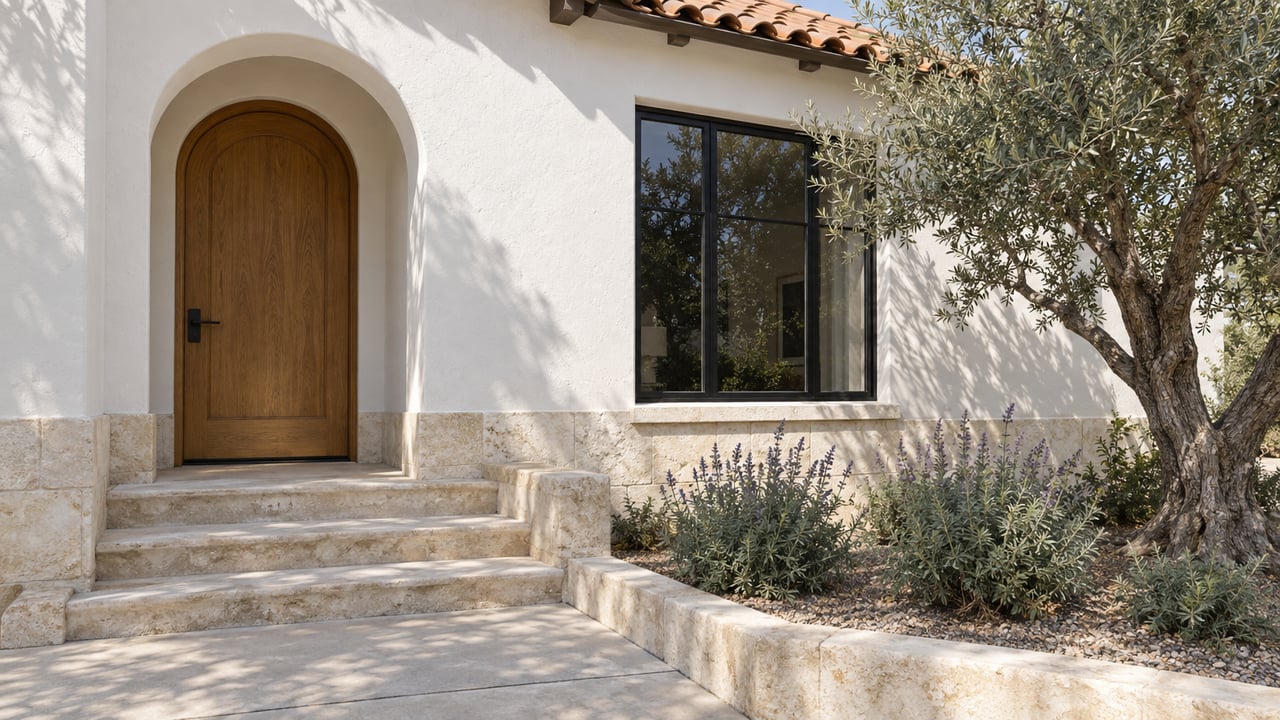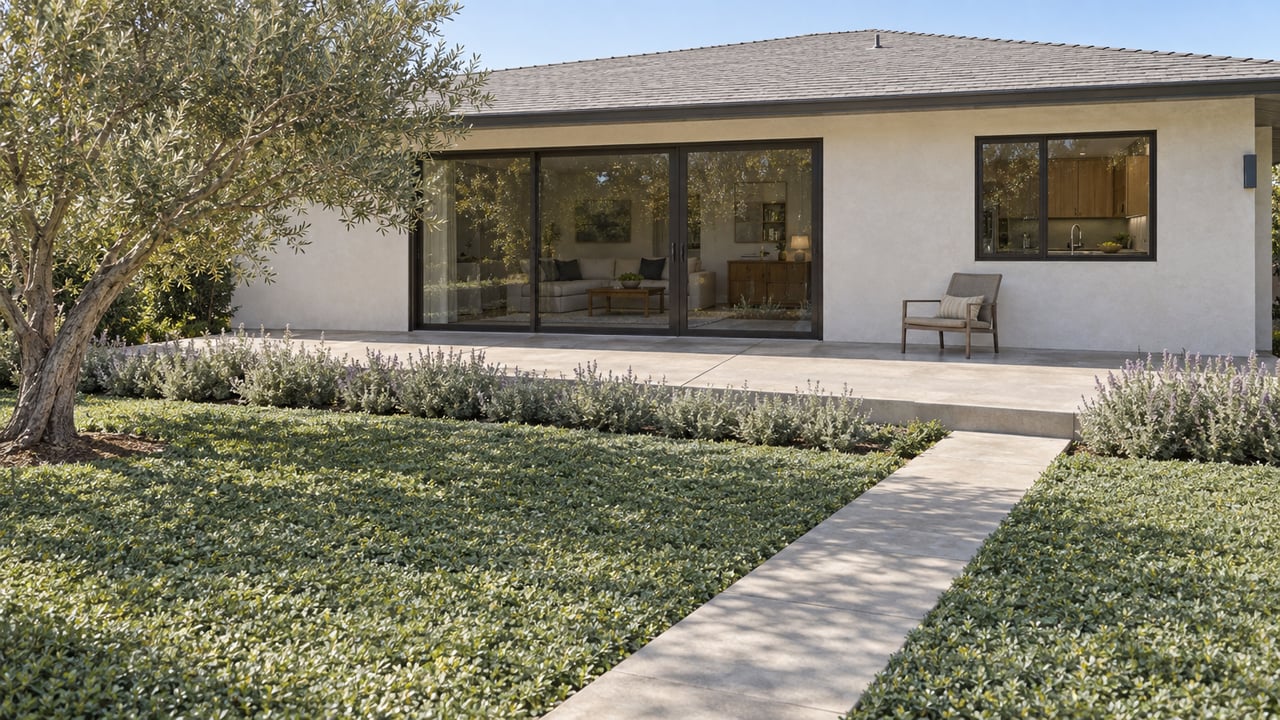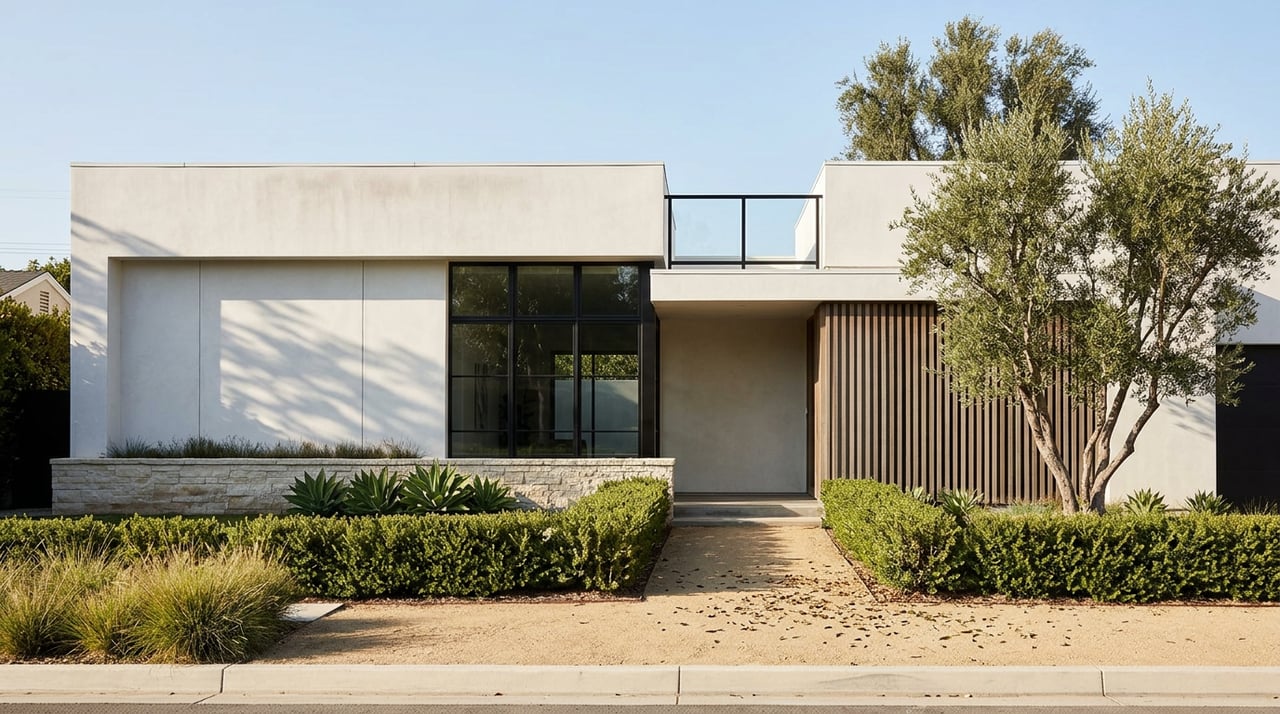
Thinking about buying in Encino and wondering whether you should pay for a polished remodel, take on a fixer, or target a lot with rebuild potential? That question matters here because Encino is not usually a market of large new-home subdivisions. If you want to make a smart move, you need to look past the finishes and understand how site potential, permit history, and local planning rules shape value. Let’s dive in.
Why Encino new construction looks different
Encino-Tarzana sits in the south San Fernando Valley, north of the Santa Monica Mountains. The City of Los Angeles identifies two distinct physical areas in Encino: the flats north of Ventura Boulevard and the hilly areas south of Ventura Boulevard. That split can affect what kinds of homes you see, what kinds of projects make sense, and what due diligence matters most.
In practical terms, Encino’s new construction story is usually not about buying into a big master-planned development. It is more often about one-off infill, teardown-and-rebuild opportunities, or custom hillside projects. For you as a buyer, that means each property deserves a closer look because lot characteristics and city rules can matter just as much as the house itself.
How to judge lot value first
When you shop for homes with remodel or rebuild potential, it helps to think like an appraiser. A key concept is highest and best use, which means looking at whether the property’s current setup is the most valuable legal, physical, and financially feasible use of the site. In plain English, the right question is not just, “Do I like this house?” It is also, “Is this lot being used in the best way?”
That is especially important in Encino, where land can carry significant value. An older house may still be the right fit for the neighborhood, but in some cases the parcel itself is the bigger story. If you only focus on countertops and staging, you can miss the real opportunity or the real limitation.
Lot features that can change the value story
When you compare homes, pay attention to the parcel as carefully as the floor plan. Useful factors include:
- Lot size
- Lot shape
- Slope
- Driveway access
- Utility placement
- Setbacks
- View potential
- Whether the existing house truly adds value to the site
A home that looks dated but sits on a strong lot may offer more upside than a prettier house on a more constrained parcel. On the other hand, a property that seems like a teardown on paper may still be best as-is if the existing home already matches the market’s typical use.
Three common value-add paths in Encino
If you are trying to sort through remodel candidates, it helps to break properties into three buckets.
Under-improved but well located
This is the classic opportunity where the location is strong, but the house has not kept up. The structure may be serviceable, yet the design, finishes, or layout leave room for meaningful improvement. In this case, you are often paying for location and future potential more than current presentation.
Functionally obsolete homes
Some properties have enough square footage but still do not live well. You might see awkward room flow, dated layouts, or condition issues that make a major remodel worth considering. Here, the opportunity is not just cosmetic. It is about improving how the home works day to day.
Lot-driven opportunities
Sometimes the lot is the main asset. The current home may be older, smaller, or simply not the strongest use of a premium site. In these cases, teardown-and-rebuild potential may become part of your decision, especially if the parcel has favorable size, slope, or access characteristics.
Why permits matter more than the finish level
A beautifully remodeled house can still carry risk if the paper trail does not support the work. The Los Angeles Department of Building and Safety says its records can show permits issued, along with construction, permitting, inspection, and code-enforcement documents. Buyers can also use LADBS online records to learn what has been built with a permit.
That matters because construction moves through inspection stages before work gets covered up. In other words, a finished kitchen, addition, or reconfigured layout is much more credible when permit history and final approvals line up with what you see in person. In Encino, permit history should be part of your value analysis from day one.
What to review before you buy
Before you get too attached to a remodel or value-add property, review:
- Permit history for additions, remodels, and major systems
- Inspection history and final approvals
- Whether the home’s current layout appears consistent with public records
- Any code-enforcement documents tied to the property
If a seller is marketing a home as fully updated, expanded, or rebuilt, the documentation should support those claims. Verified records usually tell you more than marketing language ever will.
Encino overlays and hillside review
Encino buyers also need to understand that some areas come with added planning layers. The Encino Streetscape Plan calls for Ventura Boulevard frontage to reflect community history and integrate with existing building inventory. The community plan also includes overlays for the Encino streetscape, the Mulholland Scenic Parkway, and the Ventura/Cahuenga Boulevard corridor.
For you, that means not every remodel or rebuild follows the same path. Depending on location and project scope, planning review can become more detailed. This is especially relevant if you are looking at hillside properties or sites near corridor overlays.
Mulholland area considerations
City Planning says the Mulholland Scenic Parkway Specific Plan applies to Encino-Tarzana, and some projects may need clearance sign-offs. Depending on the scope, the city may also ask for supporting materials such as:
- Tree reports
- Biologist statements
- Slope band analysis
- Soil or geology reports
That does not mean a property is a bad opportunity. It does mean your timeline, costs, and project complexity may differ from what you would expect on a more straightforward lot.
Check historic and planning records early
If you are considering an older or architecturally notable home, it is smart to check city records early. HistoricPlacesLA tracks designated and surveyed historic resources, and designated historic resources can require preservation review before alteration permits are issued.
ZIMAS and related city tools can also help you understand the property’s planning context. For buyers, this step is less about adding drama and more about avoiding surprises. A home with character can be a great fit, but you want to know upfront whether future changes may face extra review.
Fire hazard maps matter for hillside buyers
For hillside or brush-adjacent parcels, address-level research is especially important. CAL FIRE maps classify areas as moderate, high, or very high fire hazard severity zones based on factors such as fuels, terrain, and weather. That classification is more nuanced than a simple yes-or-no risk label.
If you are comparing two hillside properties, this can affect how you think about planning, renovation strategy, and long-term ownership considerations. It is another reason why Encino buyers should evaluate the site itself, not just the house design.
How to reduce remodel risk
If you buy a fixer or plan work after closing, risk control matters. In California, the Contractors State License Board says a written contract is required for home-improvement projects over $500. The contract should spell out the work, materials, price, schedule, permit responsibility, completion date, and any change orders.
That level of detail protects you from vague promises and shifting expectations. It also gives you a better way to compare bids and manage scope before the project starts.
Contractor checks worth doing
Before hiring a contractor, CSLB says you should:
- Verify the contractor’s license
- Gather at least three references
- Confirm workers’ compensation coverage if the contractor has employees
- Confirm liability coverage
- Check bond status
CSLB also says licensed contractors are required to have a contractor license bond. These checks may feel basic, but they can make a major difference when you are taking on a remodel with real money and real timing pressure.
Payment rules buyers should know
Money handling is regulated too. CSLB says the down payment on a home-improvement contract cannot exceed $1,000 or 10 percent of the contract price, whichever is less. It also says unlicensed contracting is illegal for work that requires a building permit or work valued at $1,000 or more in combined labor and materials.
For you, the takeaway is simple: pay for documentation, licensing, and written scope control, not for a story about easy equity. In a market like Encino, disciplined due diligence often matters more than optimistic projections.
Should you buy move-in ready or value-add?
There is no one-size-fits-all answer. A rebuilt or recently remodeled home may offer simplicity, but you still want to verify permits and approvals. A fixer may offer upside, but only if the lot, planning context, and renovation path make sense for your goals.
A good working framework is to ask four questions:
- Is the lot strong enough to justify the price?
- Do the existing improvements support the property’s best use?
- Does the permit history back up the home’s current condition and layout?
- Do overlays, hillside review, historic status, or fire hazard factors add time, cost, or limits you are comfortable with?
If you can answer those clearly, you are already ahead of many buyers. In Encino, the best opportunities are often the properties where the lot potential, local rules, and documentation all line up in your favor.
If you want a clear, local perspective on whether an Encino property makes more sense as a move-in-ready purchase, a remodel play, or a lot-driven opportunity, Robert Ramos can help you evaluate the details and move forward with confidence.
FAQs
What does new construction usually mean in Encino for buyers?
- In Encino, new construction is often one-off infill, teardown-and-rebuild projects, or custom hillside homes rather than large subdivision communities.
What should Encino buyers review before buying a remodeled home?
- You should review permit history, inspection records, final approvals, and whether the home’s current layout appears consistent with public records.
What makes a lot valuable for an Encino remodel or rebuild?
- Important factors include lot size, shape, slope, driveway access, utility placement, setbacks, view potential, and whether the current house adds meaningful value to the site.
What extra review can apply to Encino hillside properties?
- Depending on the property and project scope, hillside and overlay areas may require planning clearances and supporting materials such as tree reports, slope analysis, or soil and geology reports.
What contractor rules matter for California buyers planning a remodel?
- California buyers should use a written contract for qualifying home-improvement work, verify the contractor’s license and insurance, check references and bond status, and follow state down payment rules.
Why should Encino buyers check fire hazard maps by address?
- For hillside or brush-adjacent parcels, fire hazard severity maps can add important context about site conditions and should be part of your property review.