Thinking about a rental purchase in Lake Balboa but unsure if the numbers work? You are not alone. Investors want steady demand, realistic cash flow, and clear rules before they lock in a property. In this guide, you will get current rents and prices, a simple yield check, what drives tenant demand, key regulations, and value‑add plays that can tip the math in your favor. Let’s dive in.
Lake Balboa rental numbers at a glance
- Median sale price: about $869,000 for all home types as of January 2026.
- Median advertised rent: about $2,950 per month in mid‑February 2026. Typical 1‑bed is about $1,795 and 2‑bed about $2,574.
- Quick gross yield check: (2,950 × 12) / 869,000 ≈ ~4.1% gross. This is only a thumbnail. It does not include taxes, insurance, management, maintenance, capex, vacancy, or financing.
These figures line up with a neighborhood that offers solid demand but modest headline cash flow if you buy at market price without a plan to grow income.
What drives tenant demand
Park and outdoor amenities
Lake Balboa’s signature amenity is the lake and recreation within the Sepulveda Basin. Year‑round access to the water, paths, and open space supports broad renter interest for those who value outdoor time and family recreation. You can review the area’s features in the Sepulveda Basin recreation overview from the U.S. Army Corps of Engineers at their page on Sepulveda Basin recreation.
Transit and commuting options
The Balboa station on the Metro G Line provides bus rapid transit across the Valley, and bike paths add another option for local trips. Freeway access to the 405 and 101 supports commuters headed to the Westside, Burbank/Glendale, and central Valley job centers. See more about the Balboa G Line station.
Household mix
Census estimates for the 91406 area show a population near 52,000 and a median household income around $78,000. This mix supports steady demand for 2–3 bedroom rentals, single‑family homes, and units that allow a home office. You can explore the area profile on CensusReporter for 91406.
Housing stock
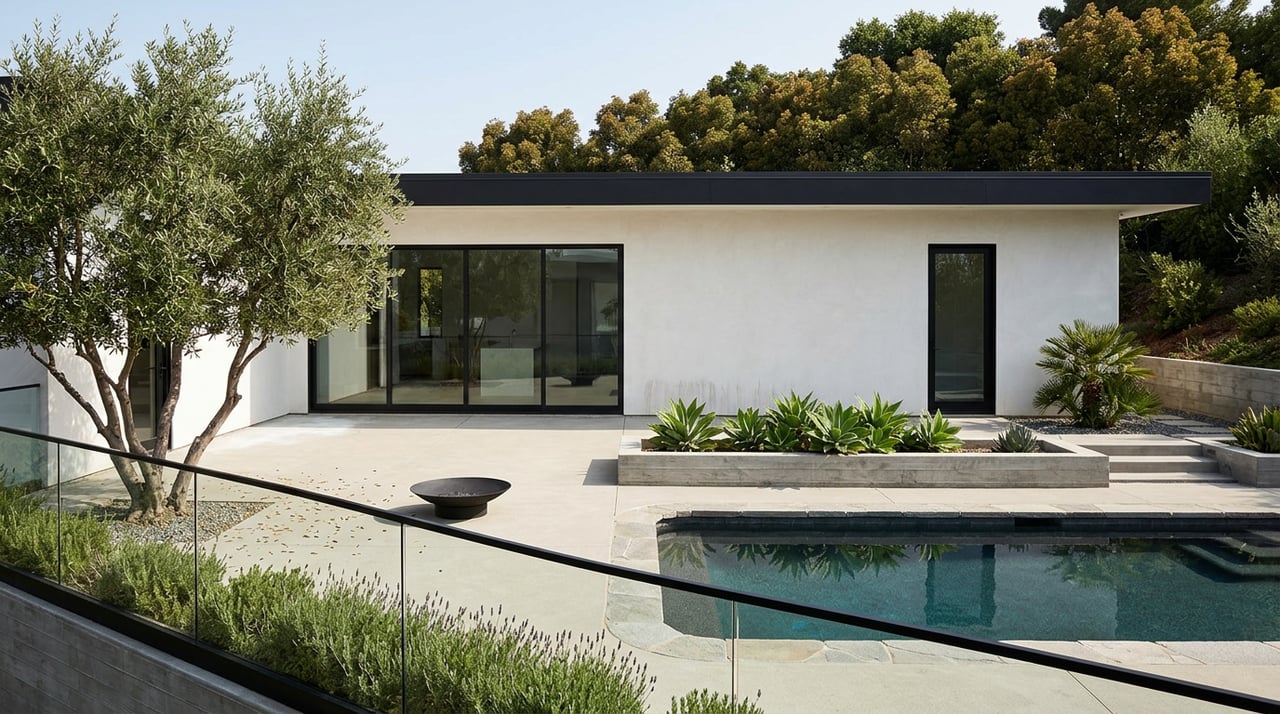
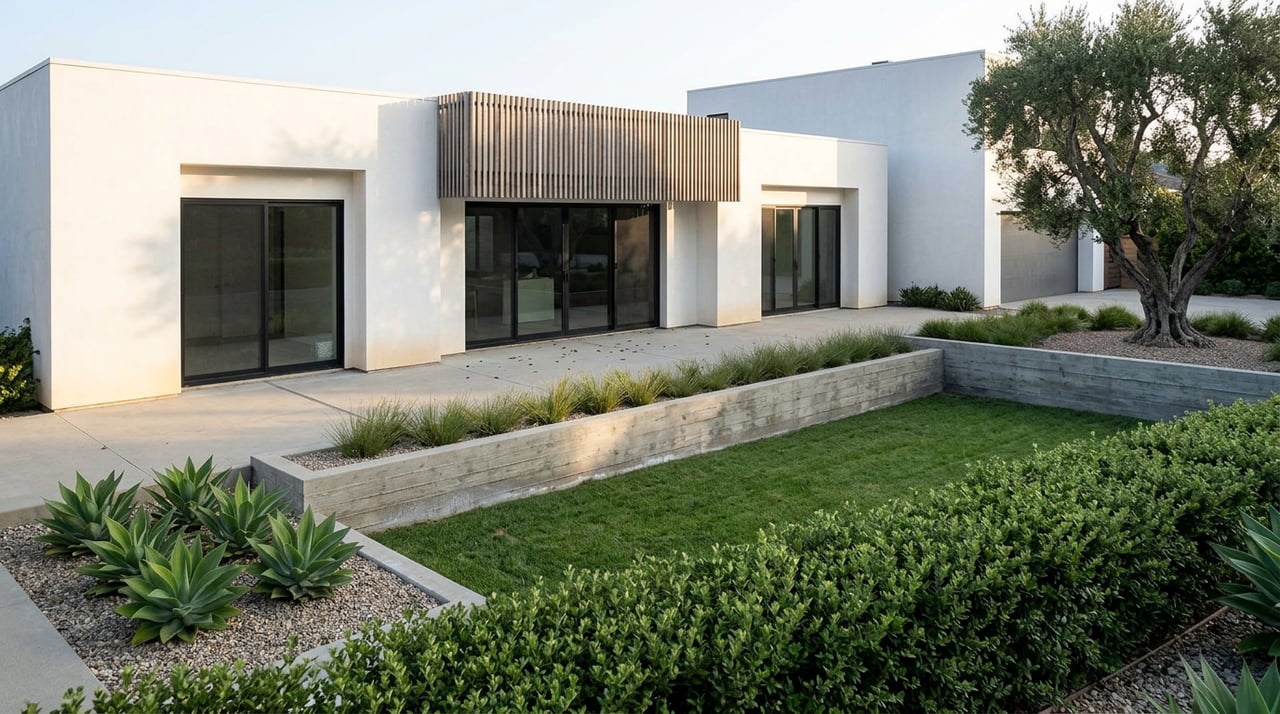
The neighborhood is largely post‑war single‑family homes with small multi‑families along major corridors. For investors and house‑hackers, that means options like single‑family rentals, duplexes, and smaller B‑class buildings where thoughtful upgrades or an ADU can add income.
How returns compare in the Valley
Using portal medians, Lake Balboa’s simple gross yield near ~4.1% sits in the middle of nearby San Fernando Valley peers. It tends to come in above some closer‑in areas that trade on location premiums and below value‑oriented pockets that can show higher advertised yields. In plain terms, Lake Balboa usually balances demand and price at levels that produce moderate headline yields with room to improve through strategy.
Cap rates and financing reality
Recent regional research places Southern California multifamily cap rates generally in the ~4.5% to 5.5% band, depending on class and submarket. You can review context in this SoCal multifamily brief from Northmarq: regional cap‑rate trends.
What that means for you: a gross single‑family yield around 4 percent leaves a thin margin after expenses. Expect modest initial cash‑on‑cash if you buy at ask with typical leverage. The investors who beat the averages usually do one or more of the following:
- Buy at a discount to market or replacement cost.
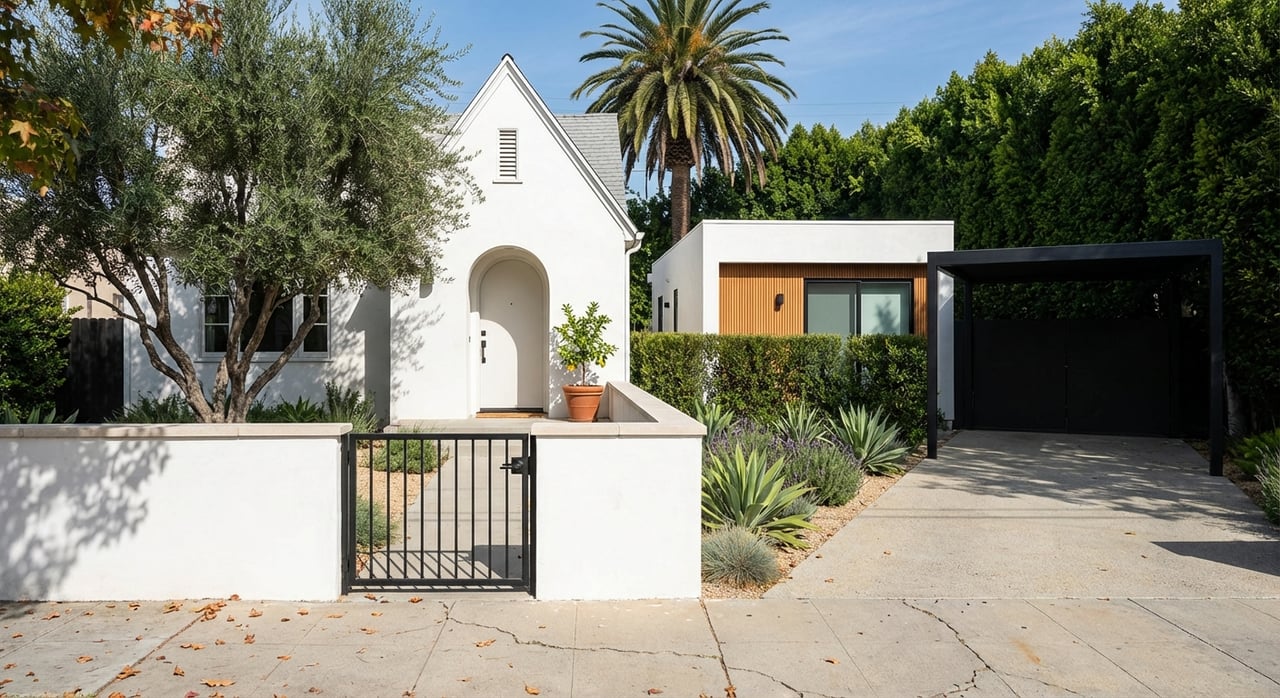
- Add units or income through an ADU or similar.
- Improve operations and interiors to lift rent on turnover.
- Use lower leverage or patient capital.
Value‑add plays that work here
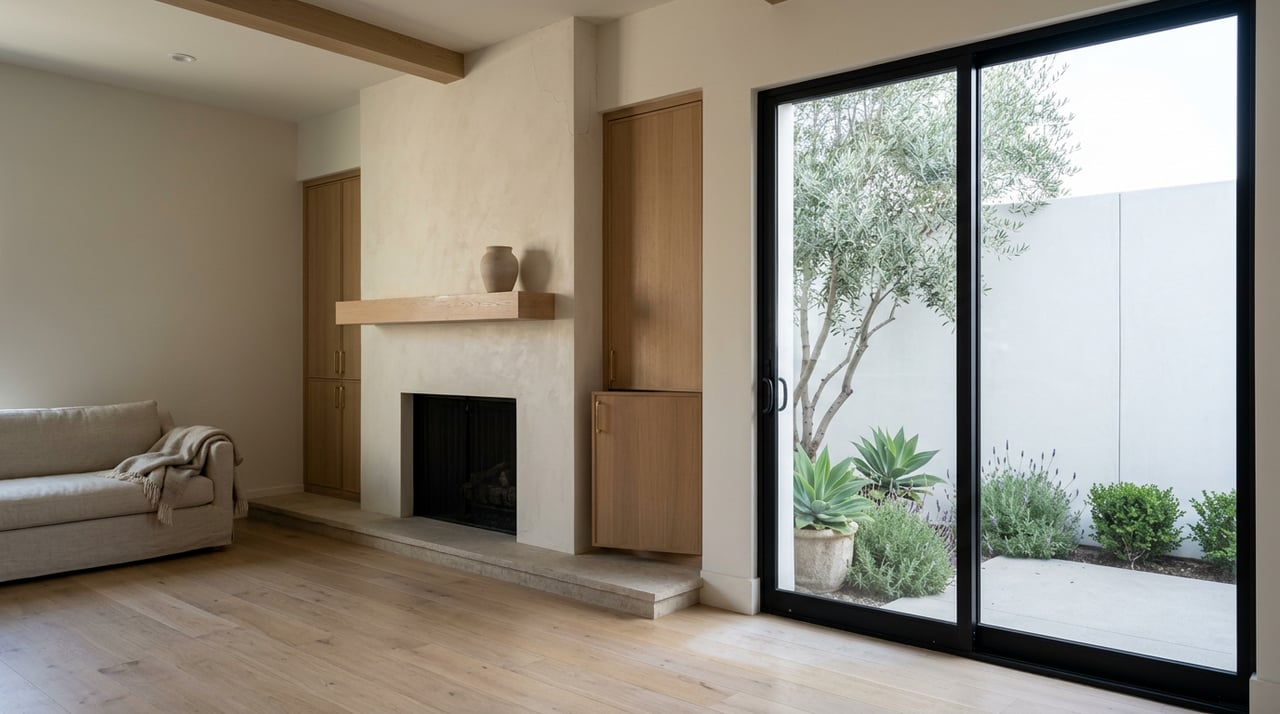
Cosmetic upgrades and professional management. Fresh kitchens and baths, flooring, paint, and landscaping can help you capture today’s advertised rents on turnover. Solid management can reduce vacancy and improve collections.
Build an ADU. California law streamlines ADU approvals and has made this one of the most reliable ways to add income on single‑family lots. Start with the state’s guidance at HCD’s ADU resources. Budget for design, permit, utilities, and construction time.
Internal conversions or legalizing units. Converting underused space to a separate legal unit can boost NOI, but this route has higher administrative friction in Los Angeles. Carefully check permits and local rules.
SB 9 duplex or urban lot split. If your parcel qualifies, SB 9 can create high‑upside outcomes, but eligibility rules and tenant protections are strict. Review the HCD SB 9 fact sheet and verify with city planning before you underwrite the deal on SB 9 potential.
Rules every LA investor must know
Los Angeles Rent Stabilization Ordinance. Many multi‑unit properties built on or before October 1, 1978 fall under the RSO. The RSO limits annual rent increases, requires just cause for eviction, and may require relocation assistance for no‑fault moves. Confirm coverage for any address using LA’s resources on what is covered under the RSO. For the period July 1, 2025 through June 30, 2026, LAHD set the allowable RSO increase at 3%. Always verify the current bulletin.
Just Cause Ordinance citywide. The JCO extends just‑cause protections to many units that are not under the RSO. Review the city’s Just Cause for Eviction overview and budget time for notices and compliance.
State rent law AB 1482. California’s Tenant Protection Act sets a cap of 5% plus CPI, up to 10%, and adds just‑cause protections for many properties not covered by local rules. In practice, the more tenant‑protective rule controls.
Relocation assistance. Many no‑fault evictions require relocation payments. Factor a relocation contingency into your underwriting if you plan owner move‑in or major rehab. Check the latest LAHD relocation bulletins before you act.
Key risks and cost line items to budget
Rent control and compliance. RSO, JCO, and AB 1482 shape rent growth and turnover. Registration, notices, and timelines add admin costs that you should plan for in advance.
Insurance and hazards. Earthquake risk is real for older housing stock. Standard policies do not include earthquake coverage, and premiums can be significant. Review typical ranges and coverage considerations in this overview of California earthquake insurance costs.
Permitting and timing. Even with ministerial ADU approvals, you should budget months for design, plan check, and construction. The state ADU page is a good start for timelines and steps: HCD ADU resources.
Interest‑rate sensitivity. If you plan to use leverage, model stress cases for a rate increase or longer vacancy. A small change here can swing cash‑on‑cash returns sharply.
Labor market context. Employment trends support renter demand across the LA metro. You can track the latest regional employment updates through the BLS metro news releases.
Due diligence checklist for Lake Balboa
Use this as your short list before you write an offer or remove contingencies:
- Verify RSO/JCO coverage for the address and confirm any registration or notice requirements.
- Pull the current rent roll and a 12‑month P&L. Compare contract rents to current advertised rents to gauge upside.
- Order a title report and check for CC&Rs or recorded covenants. Private CC&Rs can restrict SB 9 outcomes. For background, see this city guidance that notes SB 9 does not override private CC&Rs: SB 9 and CC&Rs overview.
- Check ADU and SB 9 feasibility early. Use state resources and speak to LA City Planning for parcel‑specific feedback.
- Get insurance quotes for property, landlord liability, and earthquake coverage.
- Build a 5‑year pro forma with 5–10% vacancy, 8–10% management, realistic maintenance, capex reserves, and interest‑rate sensitivities. Compare your implied cap rate to the regional context noted by Northmarq.
Bottom line: Is Lake Balboa a fit?
Lake Balboa offers balanced demand, family‑friendly amenities, and transit options that support occupancy. At today’s prices and advertised rents, the simple gross yield near the low‑to‑mid 4 percent range suggests modest cash flow if you buy at market and do not add income. That said, ADUs, smart interior upgrades, and tight operations can shift the numbers. For house‑hackers, the combo of parks, transit, and single‑family stock makes a strong lifestyle and math match when you add an ADU or rent by the room.
If you want a property‑by‑property plan, local comps, and an ADU or SB 9 feasibility read before you bid, let’s talk. Book a free neighborhood strategy call with Robert Ramos.
FAQs
What are typical Lake Balboa rents in 2026?
- Advertised medians are about $2,950 per month across property types, with 1‑beds near $1,795 and 2‑beds near $2,574; always underwrite to verified contract rents.
Is my Lake Balboa property likely under LA rent control?
- Many multi‑unit buildings built on or before October 1, 1978 fall under the RSO; confirm any address with LA’s guidance on RSO coverage.
Are ADUs a strong value‑add in Lake Balboa?
- Yes. ADUs are often the fastest way to add a rentable unit on single‑family lots; start with HCD’s ADU resources and budget for utilities and timelines.
How do Lake Balboa yields compare to nearby areas?
- Lake Balboa’s simple gross yield near ~4.1% is mid‑range versus Valley peers, with some value‑oriented pockets showing higher yields and closer‑in areas showing lower.
What insurance should I budget for an older Lake Balboa home?
- Plan for property, landlord liability, and consider earthquake coverage; see this primer on California earthquake insurance costs.
What tenant demand drivers stand out in Lake Balboa?
- The lake and Sepulveda Basin recreation, G Line transit at Balboa station, and freeway access to the 405 and 101 support steady renter demand.