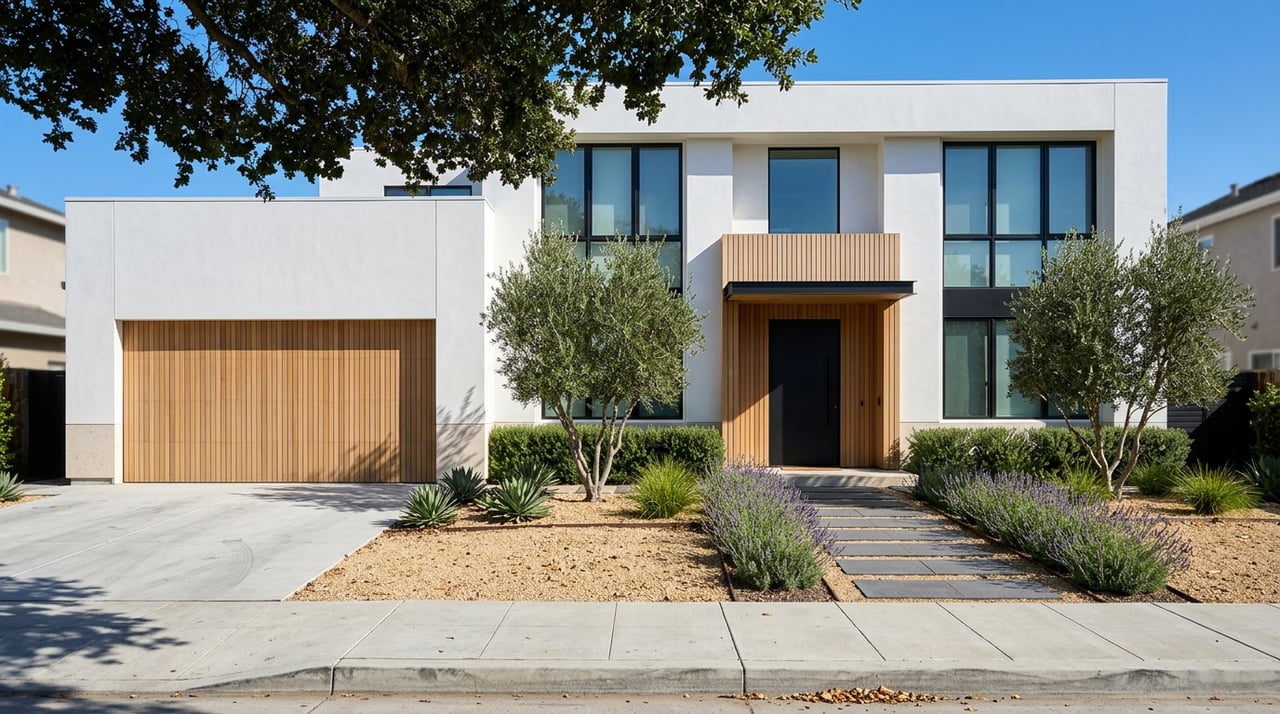
Trying to pin down what a Studio City single-family home really costs right now? You are not alone. With prices, styles, and competition varying by block, it can feel hard to get a clear picture. In this guide, you will see what buyers are paying in early 2026, which home styles are common, how fast homes are moving, and what to budget if you are moving up from a condo. Let’s dive in.
What you will pay in Studio City
Studio City single-family homes typically trade between about 1.5 million and 2.3 million for many buyers, with entry examples around the low 1 millions and premium hillside properties selling well above 3 million. Recent market trackers show different midpoint numbers because they measure different things like typical value, median sold price, or median list price across different time windows. The practical takeaway is to anchor your expectations in a range and confirm with fresh neighborhood comps when you are serious about a specific home.
To make it concrete, recent closed sales included a smaller three bedroom around 1.34 million, a well kept mid market home near 2.02 million, and larger or newer builds from roughly 3.9 million to over 5.2 million. These examples show how price scales with finished square footage, lot size, and location north or south of Ventura Boulevard.
For a quick yardstick, plan for about 700 to 900 dollars per square foot in many cases, with updated homes on larger lots or view properties landing on the higher end of the range.
Homes are taking longer to sell than the peak frenzy years, yet the area is still somewhat competitive. Recent tracker snapshots point to about 2 to 11 weeks from list to pending depending on the sub market, with an average time on market near two to three months in some reports. Inventory is improving from the 2021 to 2022 lows but remains limited relative to demand, which helps support prices for well presented homes.
Styles you will find
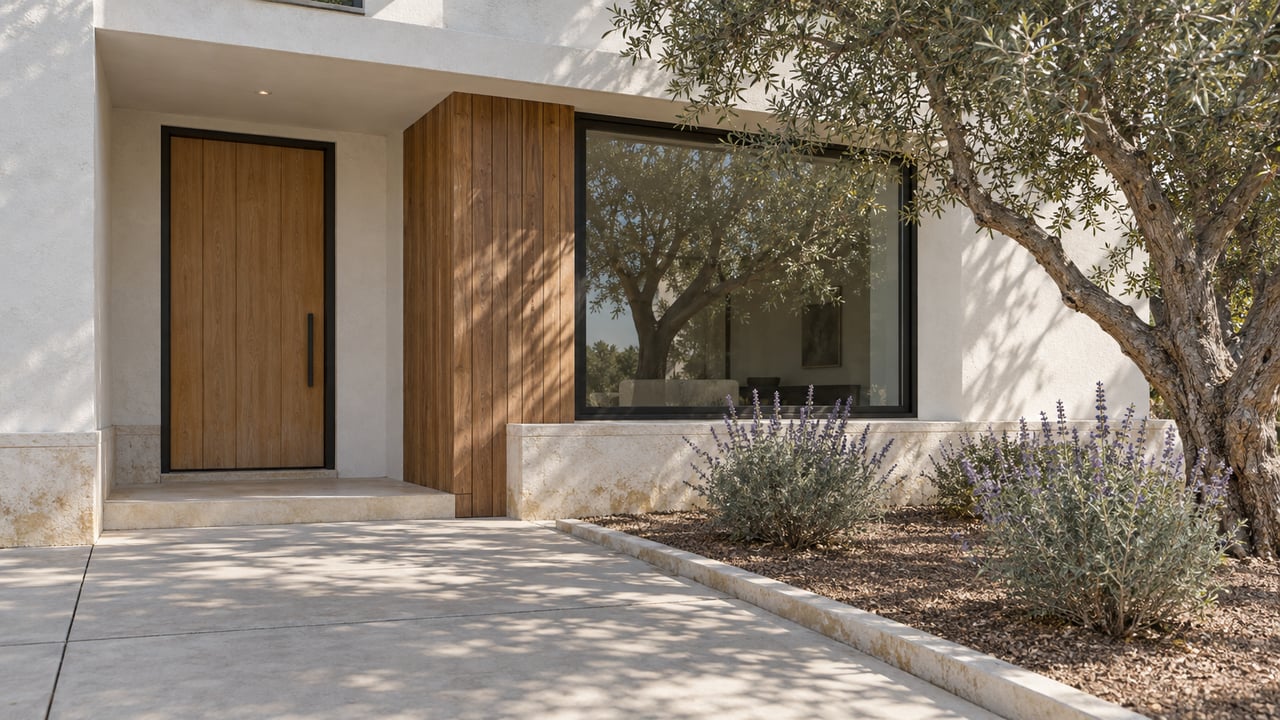
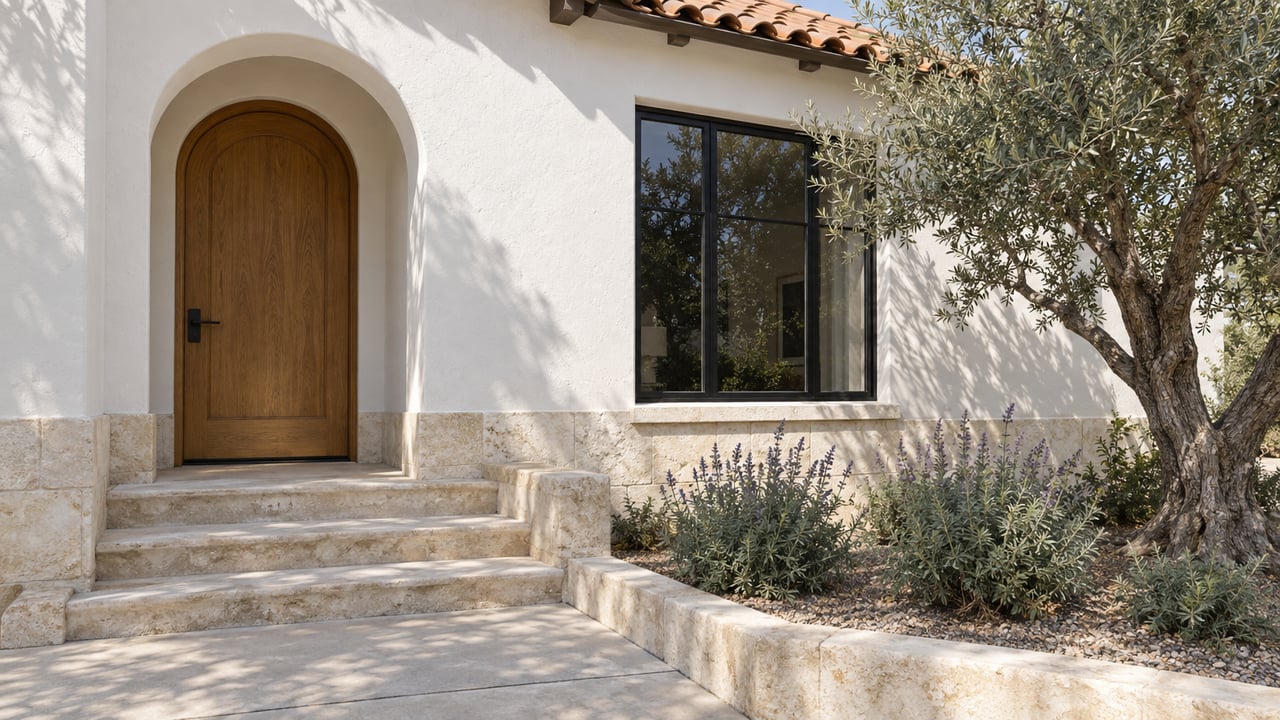
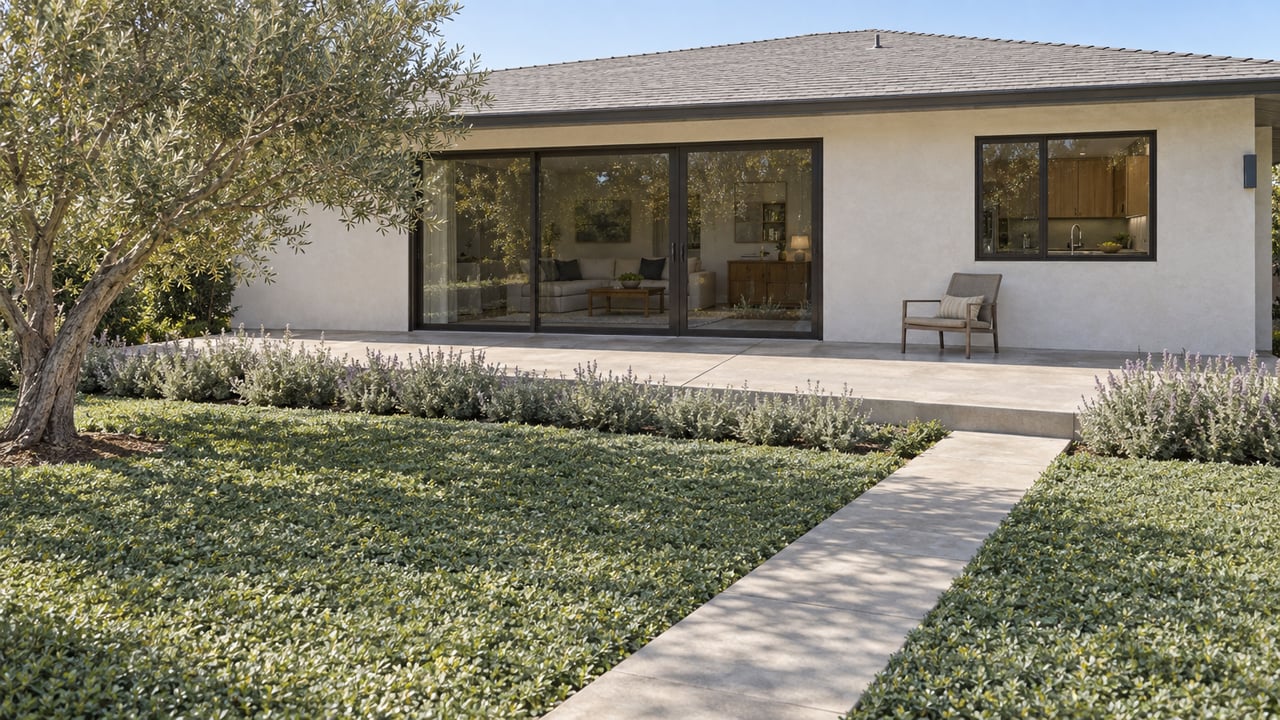
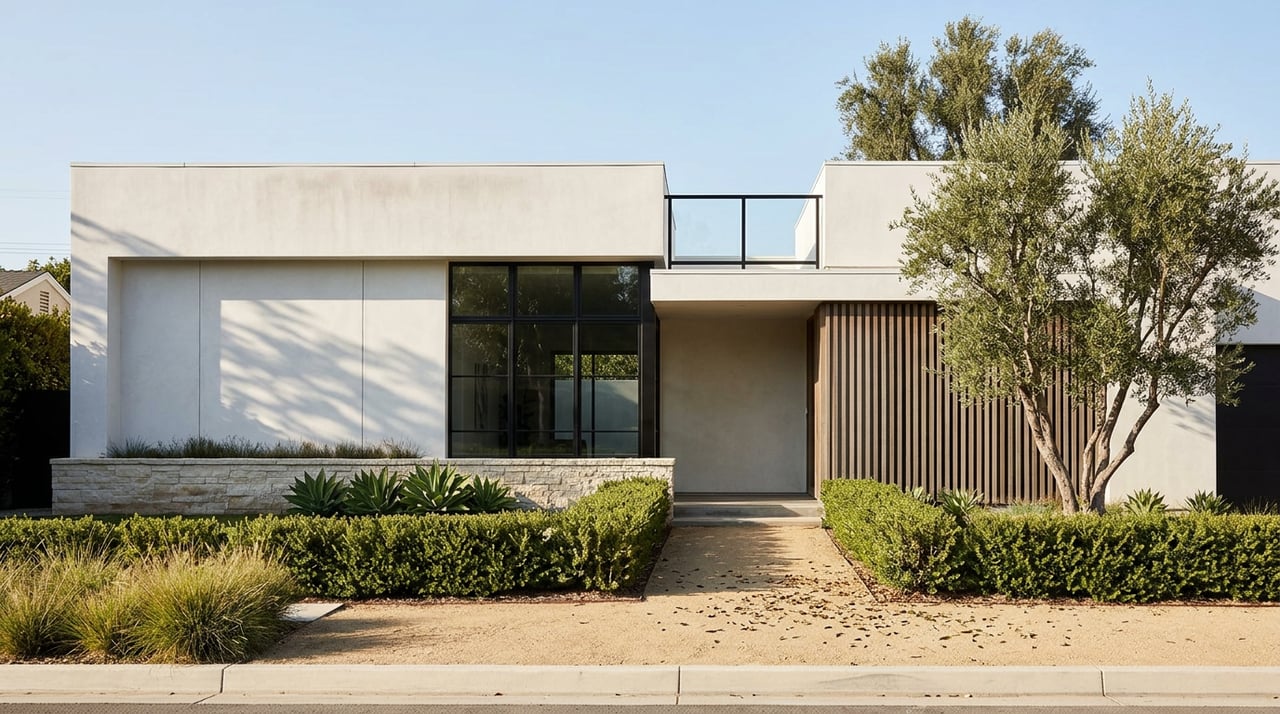
You will see a true mix of Los Angeles architecture in Studio City.
- Spanish Colonial and Spanish Revival from the 1920s to 1930s, along with California bungalows and Craftsman era cottages. Neighborhood history and preservation groups highlight these roots across the Valley. Learn more from the local context at the Los Angeles Conservancy’s profile of the Sportsmen’s Lodge, a longtime Studio City landmark that reflects the area’s early growth and style context. Explore the Conservancy’s page.
- Post war ranch and mid century modern homes from the 1940s to 1960s are common, especially in flatter tracts north of Ventura Boulevard. Many buyers look for these floor plans because they adapt well to open living and modern updates.
- Hillside estates and contemporary rebuilds are more typical south of Ventura and along Fryman and Coldwater corridors. These custom and view focused homes represent Studio City’s upper tier.
Lots and sub markets
Lot sizes vary widely by pocket, so it pays to focus your search area.
- North of Ventura Boulevard and in the flats, lots often run about 3,500 to 7,000 square feet. Many classic bungalows and ranch homes sit on these parcels, offering manageable yards and simpler maintenance.
- In the hills south of Ventura and near Fryman or Coldwater canyons, lots commonly span 7,000 to 20,000 plus square feet. Larger parcels with canyon or city views often command premium prices and can carry unique maintenance needs.
If you are upgrading from a condo, expect to trade monthly HOA fees for hands on upkeep like landscaping, roof and system repairs, and possibly pool care. Lot size and outdoor amenities are a major part of value here, so weigh those benefits against time and budget for care.
Who is buying and why demand stays steady
Studio City draws a mix of families, entertainment industry professionals, and buyers moving from other Los Angeles neighborhoods who want privacy and outdoor space with Valley convenience. Families often highlight proximity to local schools, including Carpenter Community Charter. You can review neutral, official information about the school directly on the Carpenter Community Charter site. Always verify details with the district to confirm current programs and boundaries.
How competitive is it right now
Today’s market is more balanced than the surge years, but it is not a deep buyer’s market. Well priced, move in ready homes in the flats or in sought after school pockets can still attract multiple offers. Larger or dated properties may see price adjustments or longer days on market. Plan for a thoughtful offer strategy and be ready to move quickly on a standout home while staying patient on properties that need work.
Offer tactics for condo upgraders
Use this quick checklist to write stronger offers and keep your timeline on track.
- Get a full mortgage preapproval, not just a prequalification. At common Studio City price points, you may need high balance or jumbo financing. For a clear primer on loan types and how they differ, review Forbes Advisor’s mortgage guide.
- Bring a solid earnest money deposit and set a realistic inspection window. Escalation clauses and flexible closing dates are still used in some cases. Ask your agent when and how to deploy them.
- Expect a 30 to 45 day escrow for financed purchases. Cash deals can close faster if title and disclosures are clean. Build time for appraisal and underwriting into your plan.
Budgeting beyond the price
Set a complete budget so you can act with confidence when the right home hits the market.
- Down payment: Many conventional buyers target about 20 percent to avoid PMI, though jumbo loan requirements vary by lender. For a deeper look at conventional loan terms, see NerdWallet’s conventional loan guide and calculator.
- Closing costs: Buyer side costs often land around 2 to 5 percent of the purchase price depending on loan type, title, escrow, and taxes. You can run a sample estimate with this closing cost overview and calculator.
- Property taxes: Proposition 13 sets a base rate near 1 percent of assessed value. Local bonds and assessments often bring the effective rate to roughly 1.1 to 1.25 percent. To see your parcel’s specific tax rate area and bill details, use the Los Angeles County property tax portal.
- Insurance and hazards: Budget for homeowner’s insurance and consider earthquake coverage. If you are eyeing hillside homes, ask about wildfire brush clearance and local safety rules. For permits and code questions, start with LADBS services.
ADU potential and value
Accessory dwelling units are now a mainstream value play in Los Angeles. Many single family lots can support an ADU within current state and city standards, with typical detached ADUs capped up to about 1,200 square feet when allowed. Rules, timelines, and costs vary by lot, utilities, and design. If rental income or multigenerational living is part of your plan, review the city’s permit resources and talk with a designer or contractor early. The City’s portal is a good starting point for process and submittals. Visit LADBS services to learn more.
Sample home search timeline
Use this simple roadmap to organize your move up.
- Weeks 1 to 2: Get lender preapproval and set a clear budget. Align on must haves, nice to haves, and target pockets north or south of Ventura.
- Weeks 2 to 6: Tour homes and refine your search. Expect some properties to go pending within 2 to 11 weeks depending on price and condition.
- Week 6 plus: Make offers. Keep your deposit, inspection period, and closing timeline competitive.
- 30 to 45 days after acceptance: Typical financed escrow. Complete inspections, appraisal, loan approval, and final walkthrough. Sign loan docs and close.
About the data
Market snapshots in this guide reflect recent neighborhood trackers and early 2026 closed sales. Different providers report different measures like typical value, median sold price, and median list price, often over different time windows. That is why you will see a range. When you are ready to write an offer, ask for a custom comp set based on the exact pocket and home type you want.
Ready to tour Studio City homes
If you want a clear plan for price, style, and timing in your exact pocket, let’s talk. You will get hyperlocal comps, a step by step offer strategy, and a smooth, digital first process from search to closing. Book your free neighborhood strategy call with Robert Ramos.
FAQs
What is the average price for a Studio City single family home in 2026
- Most buyers should plan for roughly 1.5 million to 2.3 million, with entry examples near the low 1 millions and premium hillside properties selling above 3 million.
How long do Studio City single family homes take to sell right now
- Many homes go pending within about 2 to 11 weeks depending on location and condition, and recent averages show around two to three months on market in some reports.
Which architectural styles are common in Studio City
- You will see Spanish Revival, Craftsman era bungalows, post war ranch, mid century modern, and newer contemporary hillside rebuilds across different pockets.
What costs should I budget beyond the purchase price in Studio City
- Include a down payment, 2 to 5 percent in closing costs, about 1.1 to 1.25 percent for annual property taxes, homeowner’s insurance plus optional earthquake coverage, and reserves for maintenance and updates.
Can I add an ADU to a typical Studio City lot
- Many Los Angeles single family lots can support an ADU within city and state standards, with detached units often allowed up to about 1,200 square feet when feasible; always verify rules and permits with LADBS.