Thinking about selling your Encino home but unsure where to start? You are not alone. With prices in the Valley shifting by season and presentation making a big impact, the right prep and timing can add real dollars to your bottom line. In this guide, you will learn how Encino’s market is moving, how to price and time your sale, what to fix before photos, and what to expect from offers through closing. Let’s dive in.
Encino market snapshot today
Pricing varies by source and by property type, so it helps to cite a clear window. Zillow’s Home Value Index for Encino through Jan 31, 2026 shows a typical home value around $1,399,565, with a median of about 70 days to pending. Realtor.com’s neighborhood snapshot for Dec 2025 shows a median list or sale price near $1,795,000 and about 75 days on market.
Those differences are normal because each portal uses different data and methods. What matters for your sale is your micro‑market: zip codes 91316 and 91436, your bed and bath count, lot size, condition, and recent updates. Use these numbers as context, then rely on a fresh Comparative Market Analysis for your exact property before you list.
Price it right from day one
Build a strong CMA
Start with recent closed sales from the past 60–90 days that match your home’s size, layout, lot, and condition. Focus on final sale prices instead of list prices. A local CMA should also account for any renovations, unique features, and current inventory so your list price is anchored to today’s reality.
Choose your price band
Most Encino sellers succeed using one of three approaches:
- Aggressive: List slightly under the comp range to spark multiple offers when supply is tight.
- Market‑aligned: Price at the center of the comps for a predictable sale and smoother appraisal.
- Aspirational: List above the comp range. Expect longer days on market and a higher chance of reductions.
Watch week‑one signals
Your first 7–14 days are the most telling. Strong online views and steady showing requests mean you are in the right band. Weak traction usually points to a pricing or presentation issue. Make quick, data‑driven adjustments while your listing is still fresh.
Pick your timing
Late spring often brings the most buyer activity in many U.S. markets, and Encino follows a similar pattern. Industry analyses point to late April through May as a high‑visibility window for selling. No matter when you list, the first two weeks are your prime window to capture attention, so your marketing has to be ready before you go live.
If your schedule does not allow a spring launch, plan to invest more in staging, pro photography, and targeted digital outreach to maintain momentum. Always run a fresh CMA 7–14 days before you list since neighborhood supply can change quickly.
Prep that pays off
High‑impact fixes before photos
You do not need a full renovation to impress buyers. Focus on the basics that matter in photos and at showings:
- Deep clean and declutter throughout.
- Neutralize paint, fix small repairs, and refresh worn flooring.
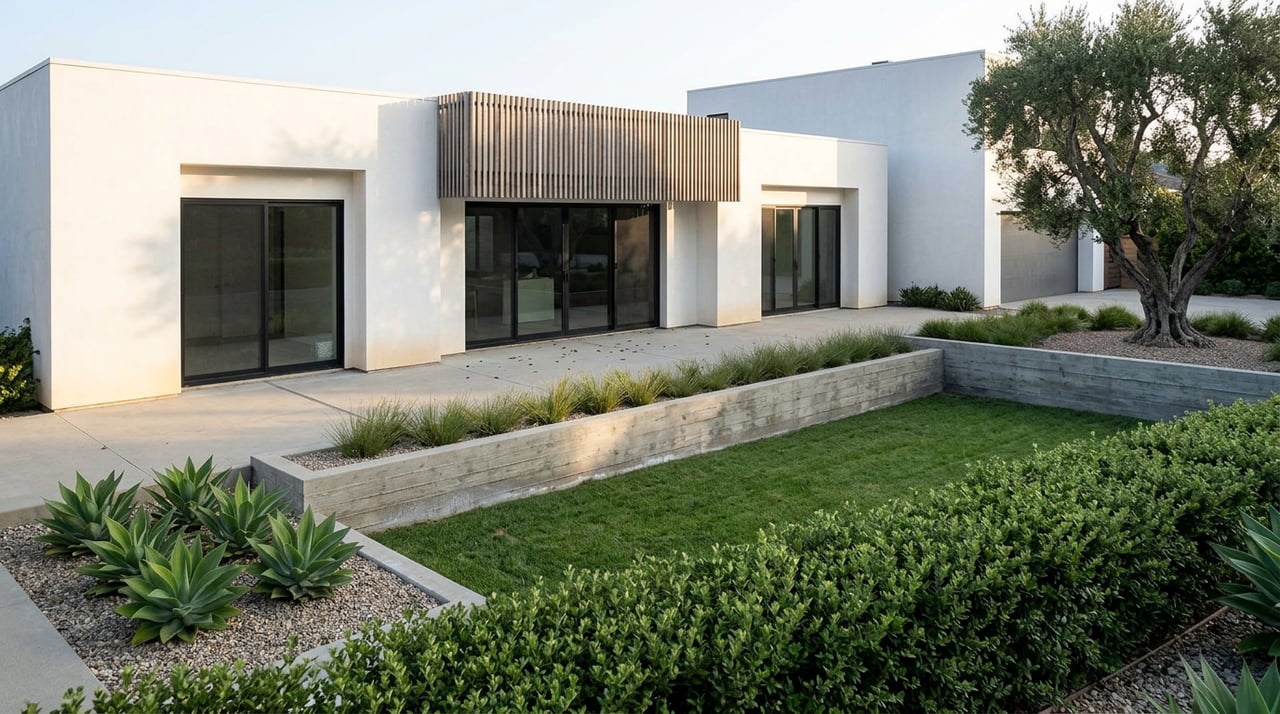
- Improve curb appeal with touch‑ups, tidy landscaping, and a clean entry.
The National Association of REALTORS reports that agents overwhelmingly recommend these steps. Their staging analysis highlights decluttering, deep cleaning, professional photos, and small repairs as top priorities. You can review the findings in NAR’s summary on why staging is paramount as homes linger.
Smart upgrades with real ROI
If you have budget for updates, focus on targeted, midrange projects. According to the Remodeling Cost vs. Value 2025 report, a minor kitchen remodel had one of the highest national cost‑recoup figures, with an average recoup around 113 percent. Several curb appeal projects like garage and entry doors also perform well. Explore the current data at Cost vs. Value, then prioritize updates that improve first impressions.
Staging, photos, and video
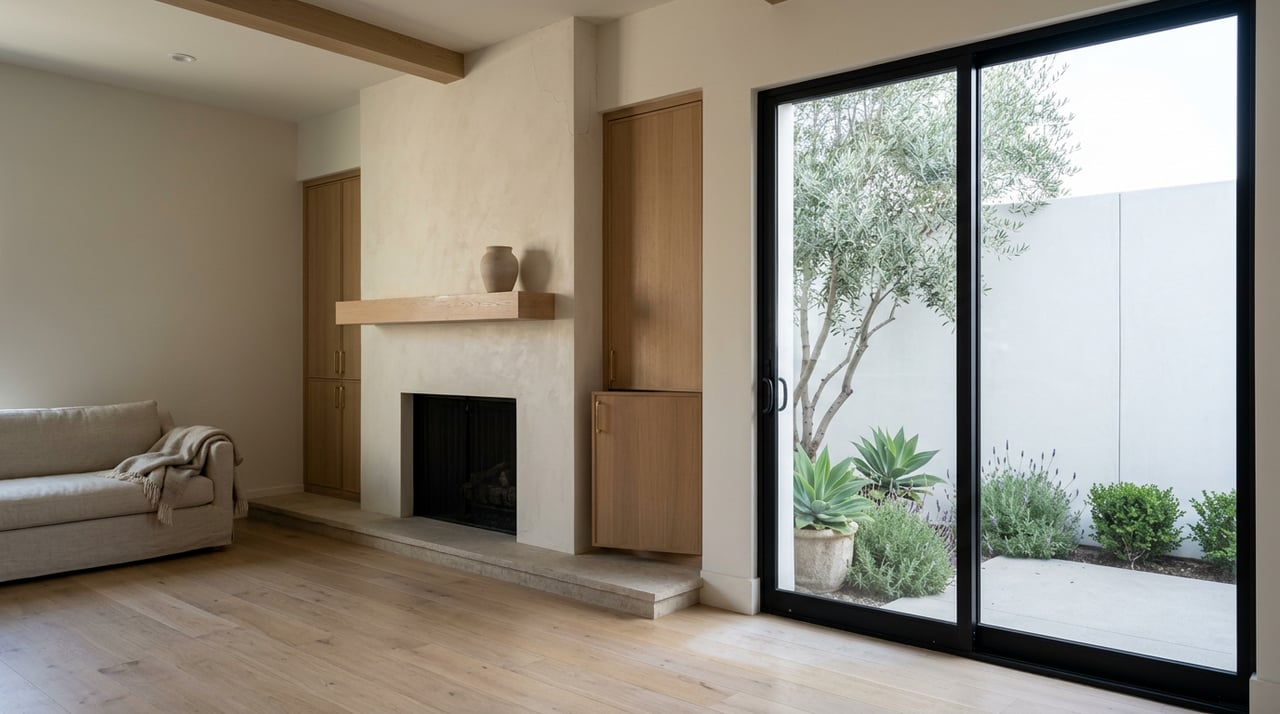
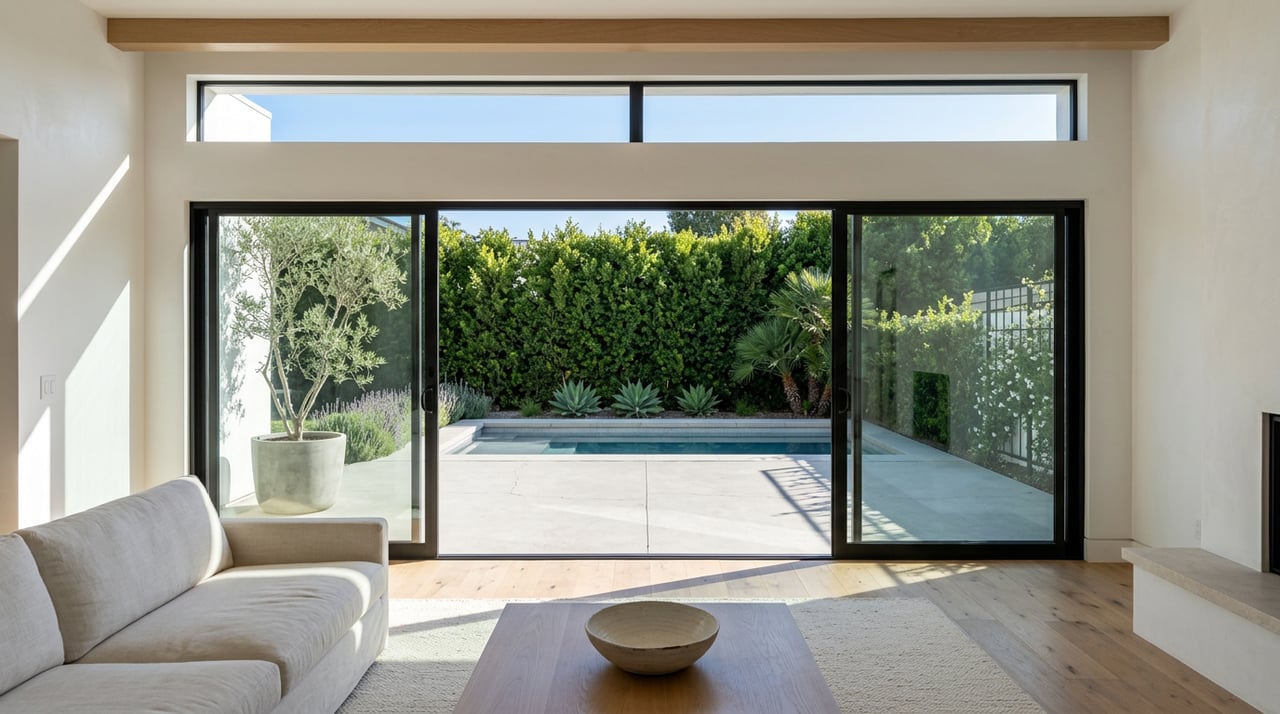
Staging helps buyers picture themselves living in your home. NAR reports that 81 percent of buyers’ agents say staging makes it easier for buyers to visualize the property, and 48 percent of sellers’ agents say it reduces time on market. Focus on the living room, kitchen, and primary bedroom.
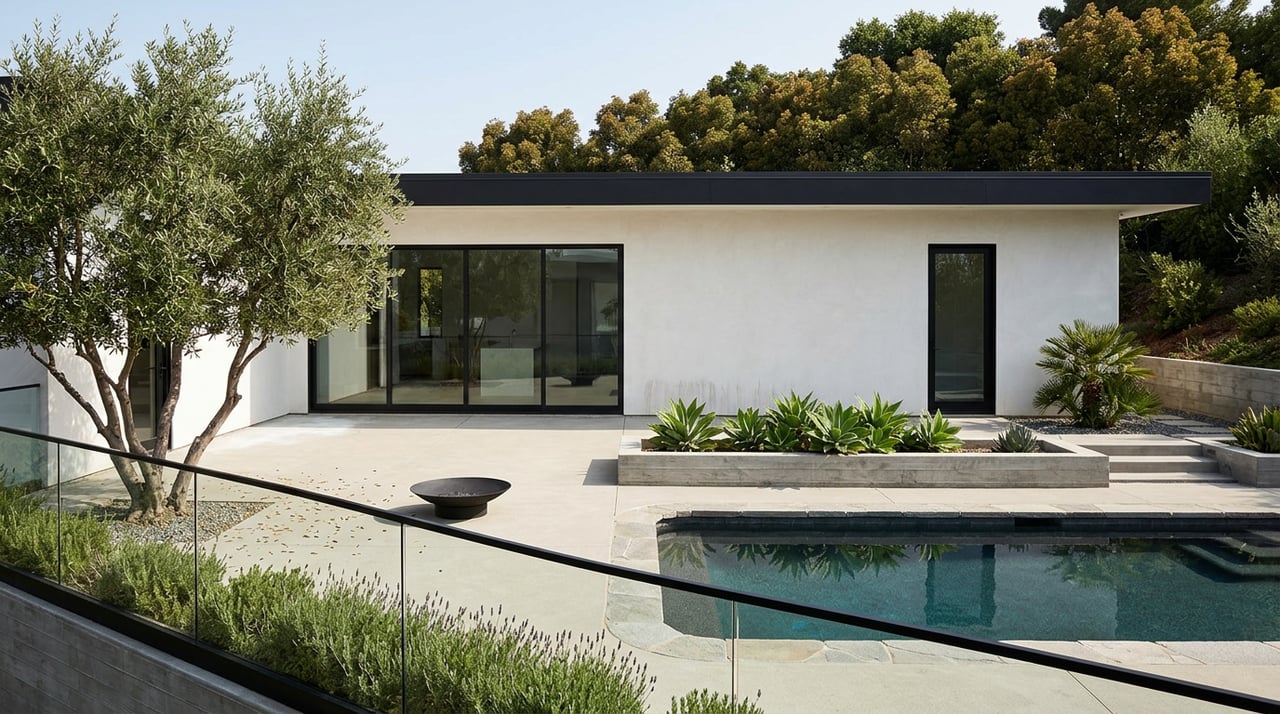
Professional photography is essential in Encino, where most buyers begin online. For higher‑end homes, consider twilight exterior shots and a 3D walkthrough. If you add aerial photos, use an FAA‑certified drone pilot who follows Part 107 and Remote ID rules. Learn more about compliant drone marketing from this commercial drone overview.
Staging costs vary. Expect a few hundred dollars for a consultation up to several thousand for full or partial staging. Ask for a written estimate that outlines the expected impact on days on market and potential price.
Launch with a strong marketing plan
A great launch plan turns early interest into real showings:
- MLS listing complete with pro photos, a floor plan, clear feature bullets, and accurate amenity details.
- A concise description that highlights layout, light, outdoor space, and recent upgrades.
- Broker open and targeted agent outreach to top buyer agents working your price band.
- A staged open house strategy timed after you go live to build momentum.
- Targeted digital ads and social posts that drive traffic to the full photo set and 3D tour.
Measure results daily in week one: online views, saves, showing requests, and feedback. If you are not seeing steady activity by day 10 to 14, review price, photos, and staging quickly.
Offers, escrow, and negotiations
Typical timelines and contingencies
In Southern California, financed purchases typically close in about 30 to 45 days, while cash can move in 7 to 14 days. For a general overview, see this escrow timeline FAQ. In competitive segments, some buyers may waive or shorten appraisal or inspection contingencies. Many buyers still include an inspection period and request repairs or credits. To stay ahead, consider a pre‑listing inspection, fix safety items, and provide receipts so buyers feel confident in your home’s condition.
Disclosures you must deliver in California
Sellers must provide required state and federal disclosures. These often include the Transfer Disclosure Statement, Natural Hazard Disclosure, and the federal lead‑based paint disclosure for pre‑1978 homes. Learn about the federal rule here: EPA Lead‑Based Paint Disclosure.
California has also updated certain disclosure requirements. Review a 2026 legal update summary to understand recent changes, including tobacco or nicotine residue disclosures under AB 455 that took effect Jan 1, 2026. See this overview of California real estate law updates.
Work with your agent to ensure timely and complete delivery. Late or incomplete disclosures can give buyers the right to cancel.
Understand your closing costs
Transfer taxes in Los Angeles
Encino homes are inside the City of Los Angeles, so your sale may be subject to both county and city transfer taxes. The Los Angeles County documentary transfer tax is generally $1.10 per $1,000 of the sale price. A helpful county‑rate background is outlined in this documentary transfer tax guide.
The City of Los Angeles adds its own real property transfer tax and, for high‑value sales, a Measure ULA surtax with thresholds that adjust periodically. For the latest city rates, thresholds, and calculator, use the City’s official page on Real Property Transfer Tax and Measure ULA. These surtaxes can significantly affect net proceeds on luxury sales, so verify early.
Agent commissions today
Commissions are negotiable. Many sellers still budget a total around 5 percent for combined listing and buyer‑side fees, but local practices vary and buyer compensation rules changed in 2024. Ask your agent for a sample net sheet tailored to your address and price band.
Other seller costs
Plan for escrow, title insurance, recording fees, optional home warranty, and any agreed credits. A broad estimate for escrow and title alone can be about 1 percent of the sale price, but you should ask your escrow or title company for an exact estimate. For a general overview of typical seller fees, see this closing cost breakdown.
Taxes on your gain
If the home is your primary residence and you meet the ownership and use tests, you may be able to exclude up to $250,000 of gain if single or $500,000 if married filing jointly under IRS Section 121. Review the details and worksheets in IRS Publication 523. If your gain exceeds the exclusion, or if you claimed depreciation because of prior rental or business use, talk with a CPA before you list so you can plan your timing and net.
Common mistakes to avoid
- Overpricing at launch, which leads to a stale listing and price cuts.
- Weak photos, missing floor plan, or no staging for key rooms.
- Skipping minor repairs that show up on inspection and scare buyers.
- Ignoring required disclosures, including lead for pre‑1978 homes and new 2026 updates, which can create cancellation rights.
- Overlooking City of Los Angeles transfer taxes and possible Measure ULA surtax on high‑value sales.
Your Encino seller checklist
- Interview agents and request a data‑driven CMA with a 30, 60, and 90‑day view of nearby sales.
- Decide your pricing band and success metrics for week one through two.
- Complete deep clean, declutter, neutral paint, flooring refresh, and small repairs.
- Approve a staging plan for the living room, kitchen, and primary bedroom.
- Book professional photos, a floor plan, and 3D tour. If using drone images, confirm FAA compliance.
- Confirm your launch plan: MLS details set, feature bullets, open schedule, and digital ads.
- Review required disclosures, order NHD, and consider a pre‑listing inspection.
- Request a net sheet with agent fees, transfer taxes, escrow and title, and estimated payoff.
- Discuss offer terms you will accept, including contingency timelines and preferred closing date.
Ready to sell in Encino?
If you want a clear plan that maximizes your first two weeks on market, puts staging and pro visuals to work, and keeps your timeline stress‑free, let’s talk. Book a free neighborhood strategy call with Robert Ramos to get your customized Encino seller plan and net‑sheet estimate.
FAQs
What is the best time to sell a home in Encino?
- Late spring often brings more buyer activity and visibility, but a strong launch with great pricing and presentation can win in any season.
How long does it take to sell in Encino right now?
- Recent snapshots show roughly 60 to 80 days to go under contract on average, depending on price band, condition, and location within Encino.
Which pre‑listing updates give the best return?
- Minor kitchen refreshes, curb appeal upgrades, and small repairs often outperform major remodels, supported by Cost vs. Value data.
Do I have to pay transfer taxes when I sell in Encino?
- Yes, sales in the City of Los Angeles are subject to county and city transfer taxes, and high‑value sales may owe Measure ULA surtax. Verify with the City’s calculator.
What disclosures are required for California home sellers?
- Typical items include the Transfer Disclosure Statement, Natural Hazard Disclosure, and lead disclosure for pre‑1978 homes, along with 2026 updates such as AB 455 tobacco or nicotine residue disclosure.
How long is escrow in Southern California?
- Most financed sales close in about 30 to 45 days, while cash can close in 7 to 14 days, subject to agreement and service timelines.
Can staging really help my Encino home sell faster?
- Yes. NAR reports staging helps buyers visualize the home and can reduce time on market, especially when combined with pro photography and clear marketing.